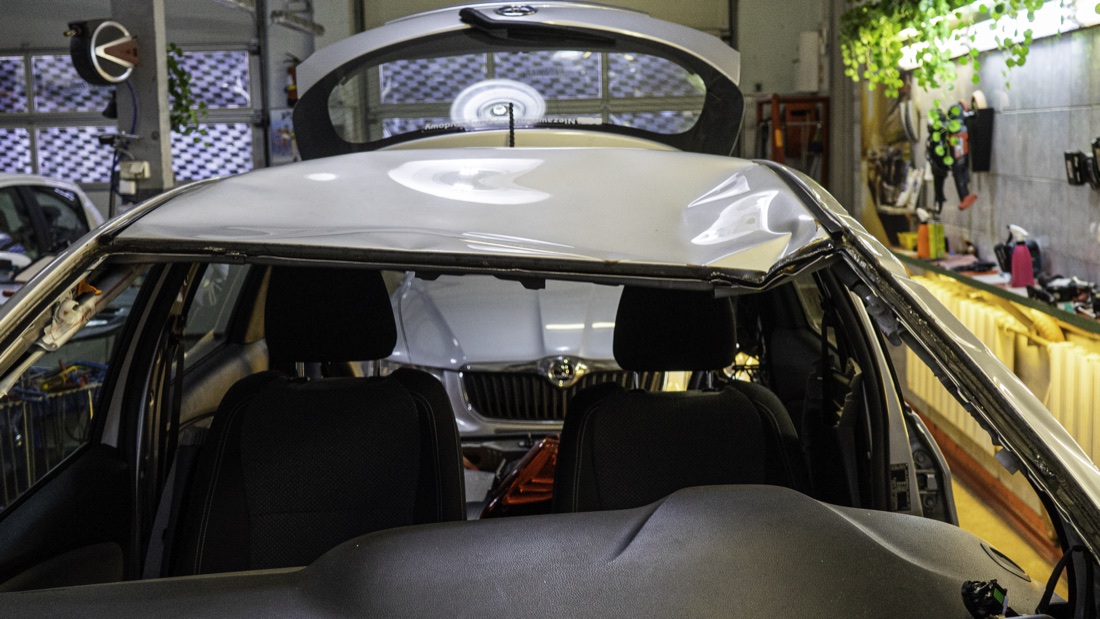
PDR course - dent removal
Our flagship course from scratch. 80% hands-on work, 10 nights' accommodation and lunches included, certificate of completion.
See the programme
Detailing courses in the trades we earn our own living from - 80% hands-on work and a certificate.
Our flagship course from scratch. 80% hands-on work, 10 nights' accommodation and lunches included, certificate of completion.
See the programme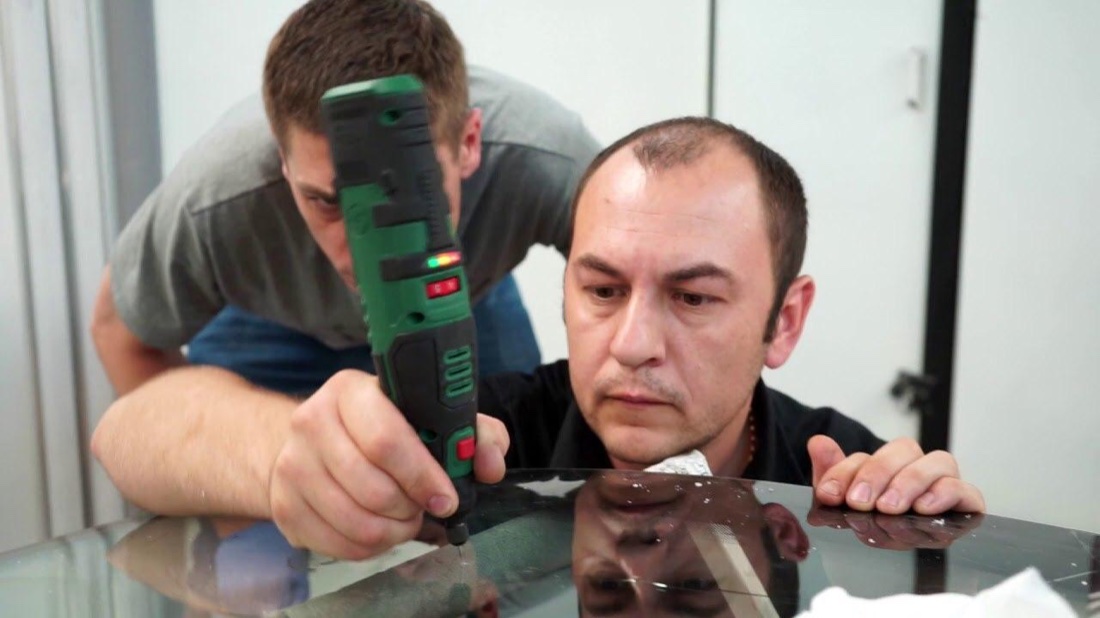
Removing chips with resin under pressure, curing with a UV lamp, sanding.
See the programme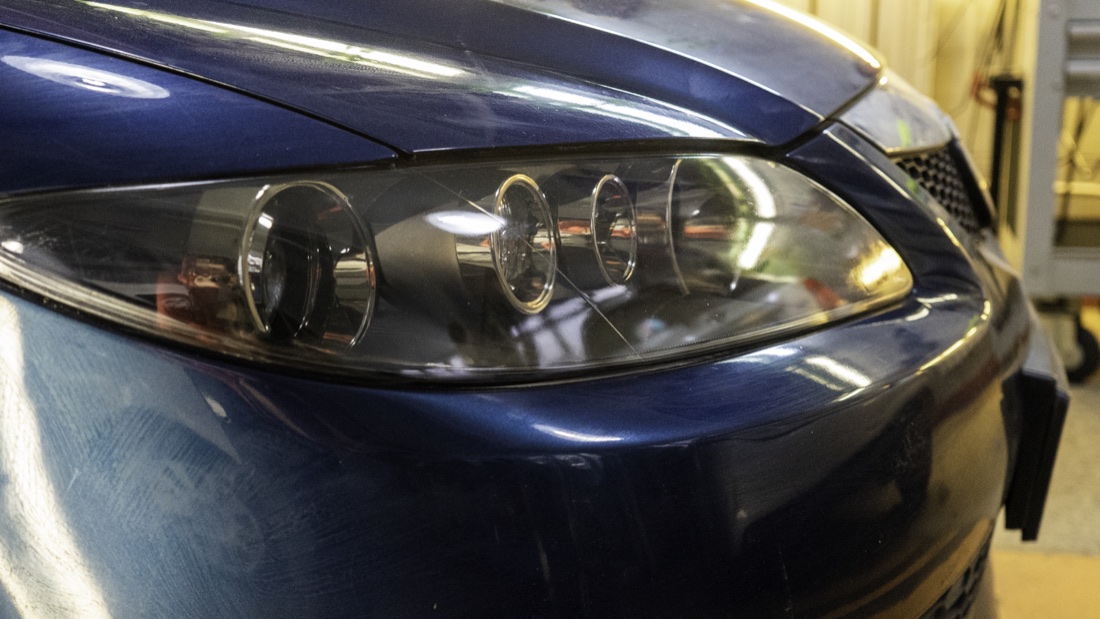
Restoring dull and yellowed lenses and sealing them with a UV coating. A fast return on the investment.
See the programme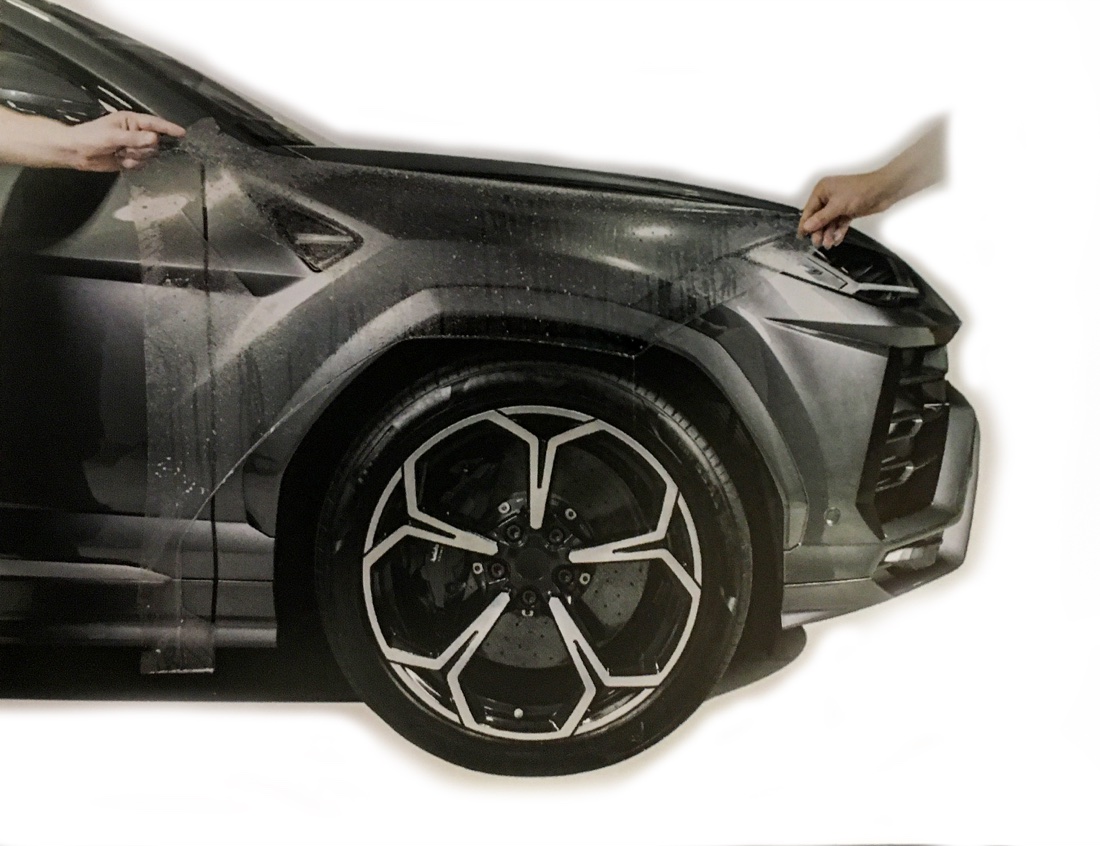
Applying protection film on a real car, with materials included. You can wrap your own vehicle.
See the programme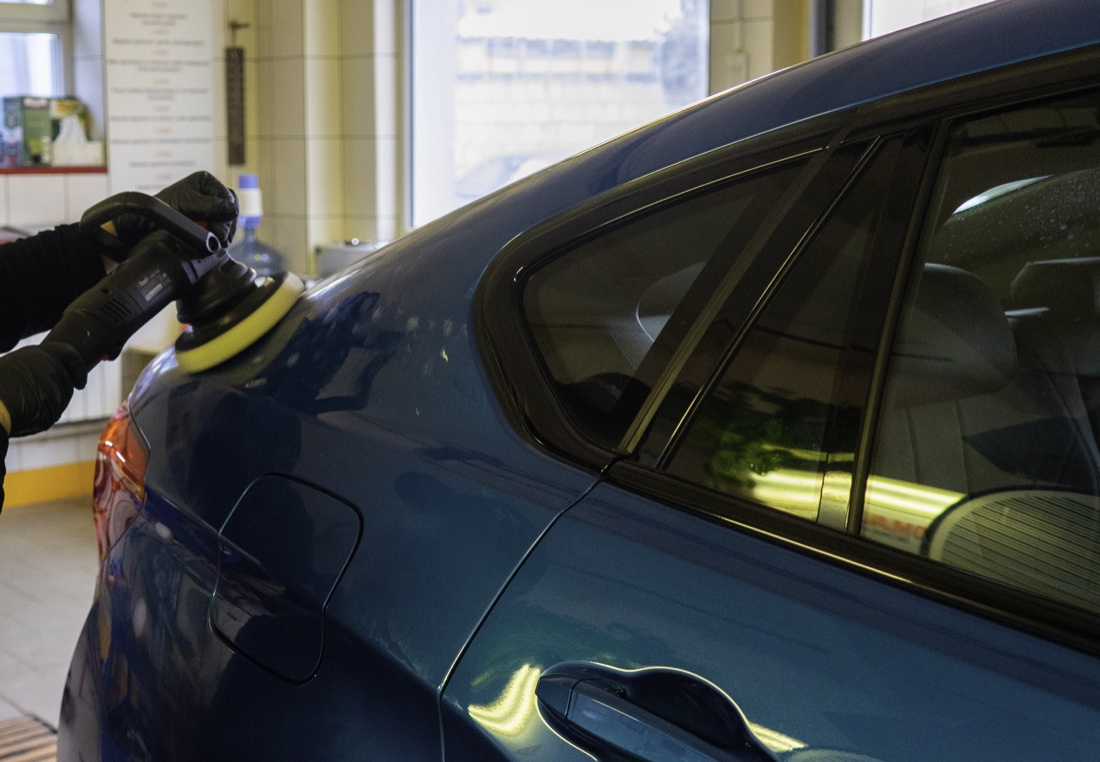
One to three-stage paint correction and the application of ceramic coatings. Work on real cars.
See the programme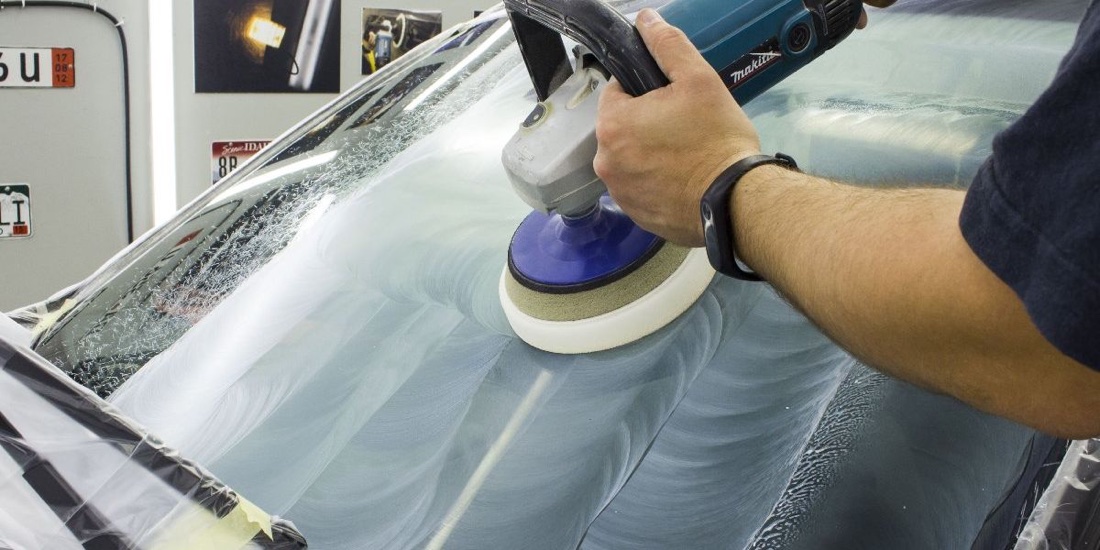
Removing scratches, acid stains and wiper marks. Groups of no more than 4 people.
See the programmeOur quality management system for training services is confirmed by a certificate issued by an accredited body (PCA, AC 136). See a scan of the certificate.
Our courses are listed in the BUR, so you can pay for the course from KFS funds or EU funding. Check the funding.
Pick a topic - we have gathered the questions our trainees ask before enrolling and during the course.
A basic PDR course from scratch, plus shorter add-on courses: windscreen repair, paint correction, glass polishing, headlight restoration and PPF film wrapping.
If you are planning to work in this trade - with the PDR course, because that is the one that gives you the core skill and the greatest earning potential. The add-on courses make sense as an extension of an existing workshop's offer.
Yes. We run them all from the basics, and the great majority of the time is hands-on work on real body panels.
Yes, each ends with a certificate. The PDR course additionally ends with a practical exam and two weeks of work placement in our workshop.
No. The course starts from scratch: from how sheet metal behaves and how to read the reflection of light in the paint. Most of our trainees had never worked on cars before.
No. We provide the equipment for the duration of the course. In the extended package a set of tools with lighting stays with the trainee and lets them start work right after the course.
The groups are deliberately small. Learning consists of constantly correcting your movement and the angle of the tool, and the instructor comes up to each trainee a dozen or more times a day - with a large group that would not be possible.
A phone call or the form on the website is enough. We agree the date, confirm your place in the group and send you the full set of practical information. Payment details we discuss individually.
The course runs for ten working days in a row, so it needs time off. Splitting it over weekends would be more convenient but worse for learning - a manual skill is built through continuity, and week-long breaks set your progress back.
In the morning a demonstration by the instructor, then work on panels, after lunch a harder version of the same task, and at the end of the day a joint review of the results under the lamp. The days are full, but the tiredness is mental rather than physical - this is precision work, not heavy lifting.
About 80 per cent of the time is hands-on work on real body panels, not on flat practice sheets. There is as much theory as you need to understand what you are doing.
Yes. The price of the course includes 10 nights' accommodation for people from outside Warsaw and lunch on every day of the course. The only extra charge is for a double room, for those who prefer that standard.
In our workshop in Warsaw, at ordinary working bays. You work in the same light and on the same equipment we use for customers' jobs.
Comfortable work clothes, flat-soled shoes and something to take notes with - especially for writing down the disassembly order for particular models. There is no need to bring tools or protective clothing.
10 days of training in a small group, 10 nights' accommodation, lunches, materials and practice panels, a certificate of completion and two weeks of work placement in our workshop after the course ends.
Yes, the course can be paid for in instalments. We agree the details individually when you enrol.
Yes. Our courses run under a quality management system compliant with ISO 9001:2015 and are available in the Development Services Database, which opens the way to funding for companies and self-employed people. Some of our trainees are also sent by the labour office.
A certificate of completion, issued after the practical exam. We also issue an invoice - including one made out to a company, so the cost can be booked.
Yes. Besides the two weeks of work placement, contact stays open: our graduates ring with questions about particular jobs, quotes and difficult repairs long after the course has ended.
Tell us about your plans - we will advise on the order of courses and point you to a funding route.